Covers when, why, and how to teach babies to drink from straw and sippy cups.
Rachel O'Brien, MA, IBCLC, PMH-C
Add to cart for a single purchase - select buy licenses for a group purchase
Opens 11/14/2026
Abstract
Bottles are not the only feeding tool available to a baby who needs to take milk from someone other than the lactating parent, and for some babies they are not the best one. This course covers the straw cup as a clinical option: when it is appropriate, how to choose one, and how to teach a baby to use it.
Learners review the range of feeding devices available beyond bottles, including open cups, spouted sippy cups, valve-free cups, and straw cups, and examine what distinguishes them mechanically. The course then works through the oral motor demands of straw drinking and how those demands differ from the suck, swallow, and breathe sequence required at the breast or bottle. Understanding that difference is what allows a practitioner to predict which babies will find a straw easier than a teat, and which will not.
The course includes a live demonstration of a baby learning to feed from a straw cup, filmed in practice. Learners see the teaching sequence performed rather than described, including the adjustments made in response to what the baby does. The course closes with the practical considerations that determine whether a straw cup is a workable plan for a particular family: the baby's age and developmental readiness, the caregiving arrangement, and the child care regulations that govern how human milk and formula may be served outside the home.
Meet your instructor
Rachel O'Brien, MA, IBCLC PMH-C
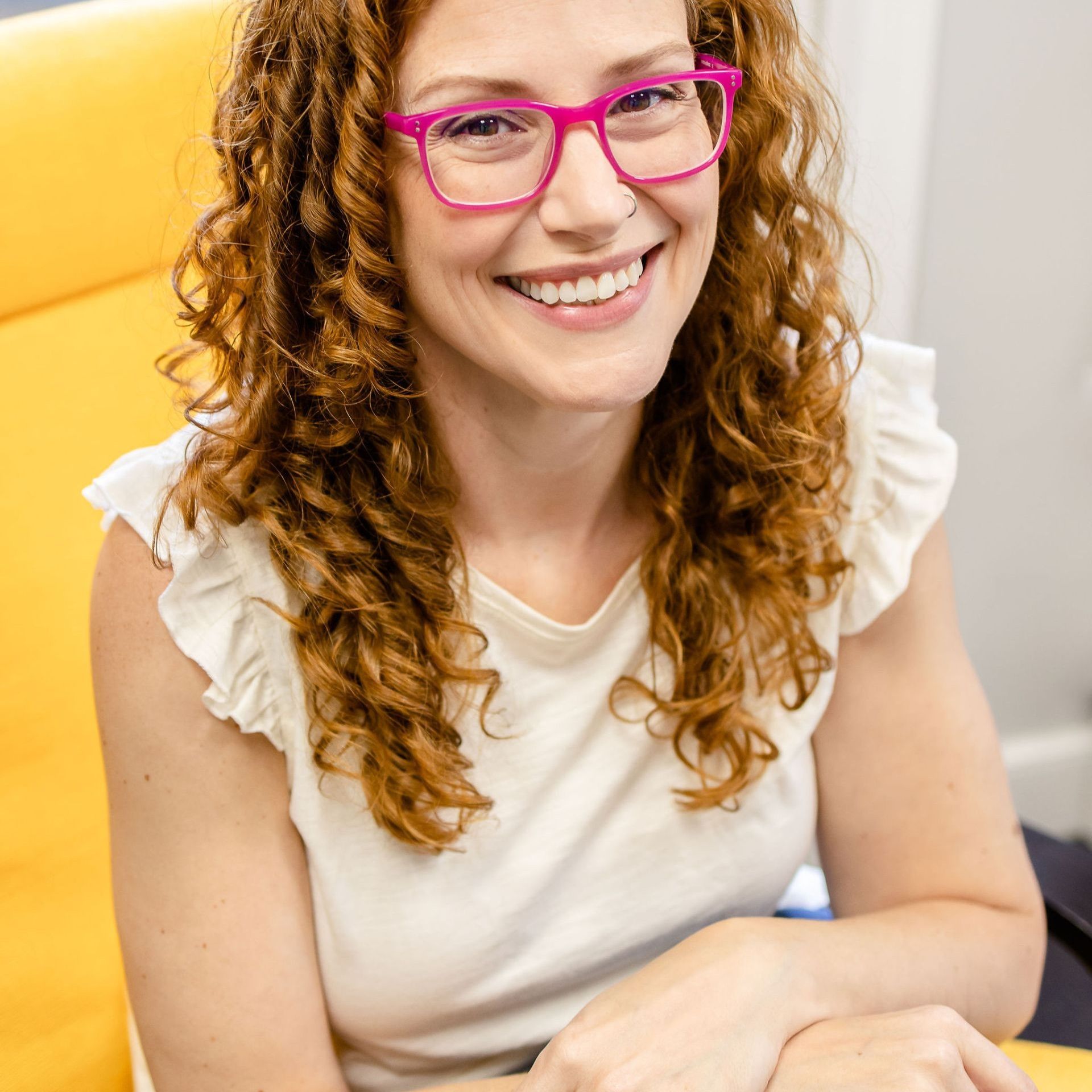
Rachel O'Brien is an IBCLC with a MA in human lactation who runs a busy private practice in Boston and specializes in bottle refusal. Rachel works 1:1 with families to help their babies learn to eat from the bottle, without tears.
"I love it when the confusion clears and the families I work with realize that they know more than they think they do, and that their instincts are almost always right!"
Empty space, drag to resize
Rachel began her specialization in bottle refusal in 2019 and when the pandemic hit Rachel realized that bottle refusal had become a much more widespread feeding problem. Rachel developed a method for teaching parents how to re-frame their baby's "bottle refusal" and to work with their baby instead of against them. Rachel does 1:1 bottle refusal visits both in her office and virtually, and has worked with families across the USA and internationally. Rachel has presented on bottle refusal at national conferences and is known among parents and other professionals as a bottle wizard.
Rave Reviews for Rachel
Rachel shares her knowledge in a clear and understandable way and then provides helpful examples that solidify the information in a “real world” way. 100% recommend!
Piper Prach, IBCLC
Rachel is a fantastic educator!
Renee Neuens, RN IBCLC
I can not tell you how much I enjoyed this course. Rachel teaches in a way that makes everything so understandable.
Kelly Menne, IBCLC
Knowledge Gap
Lactation education prepares practitioners thoroughly for feeding at the breast or chest and, to a lesser degree, for feeding from a bottle. Alternative feeding devices are typically covered in the context of the newborn period, as short-term supplementation tools, and rarely revisited for the older infant. When a four or five month old baby will not take a bottle and a parent is returning to work in two weeks, many practitioners have no second option to offer.
The common assumptions are that babies under six months cannot drink from a straw and that a baby must sit unassisted before a straw cup is appropriate. Neither holds up. Practitioners who carry those assumptions rule out a workable solution before assessing whether the individual baby could manage it.
There is also a knowledge gap on the regulatory side. Child care regulations and food program requirements govern how human milk and formula may be served in group care settings, and those rules vary. A practitioner who recommends a straw cup without knowing what the family's day care will accept has solved the problem in the office and not in the child's actual feeding environment.
Objectives
01
Differentiate among the feeding devices available for infants beyond bottles, including open cups, spouted cups, valve-free cups, and straw cups, and identify the clinical situations in which each is indicated.
02
Explain the oral motor mechanics of straw drinking and describe how the required skills differ from those used in bottle feeding and in feeding at the breast or chest.
03
Assess an individual infant's readiness for straw cup feeding, taking into account age, oral function, developmental status, and the family's caregiving arrangement.
04
Demonstrate the sequence for teaching an infant of four months or older to feed from a straw cup, and adapt that sequence in response to the infant's responses.
05
Identify the child care and food program requirements that affect how human milk and formula may be served to infants in group care settings.
VII Clinical Skills [TK CERPs]
VII A1. Feeding devices
VII B4. Educating mothers and families
VII B5. Educating professionals, peers, and students
Annie Frisbie IBCLC Inc has been accepted by the International Board of Lactation Consultant Examiners® (IBLCE®) as a Preferred Provider for the listed Continuing Education Recognition Points (CERPs) programme. Determination of CERPs eligibility or CERPs Provider status does not imply IBLCE’s endorsement or assessment of education quality. As a Preferred Provider, Annie Frisbie IBCLC Inc attests that it complies with the WHO Code and subsequent WHA resolutions.
Course contents
Annie Frisbie IBCLC Inc has been accepted by the International Board of Lactation Consultant Examiners® (IBLCE®) as a Preferred Provider for the listed Continuing Education Recognition Points (CERPs) programme. Determination of CERPs eligibility or CERPs Provider status does not imply IBLCE’s endorsement or assessment of education quality. As a Preferred Provider, Annie Frisbie IBCLC Inc attests that it complies with the WHO Code and subsequent WHA resolutions.
Open to learners carrying a valid lactation credential. Other registrants are subject to refund minus a $50 processing fee. Contact us if you have questions about your eligibility.
Guaranteed Security using one of the most advanced encrypted systems on the market.
The information in this page is being processed and encrypted securely using industry-leading encryption and fraud prevention tools.